OTO · Otodeck
€300,000 in payments handled every year, 96% satisfaction

Full development of a SaaS platform to digitalise driving schools, with owner/instructor/student interfaces, motion design and marketing strategy, showing our ability to support startups from A to Z.
- 10
- Pilot driving schools
- 5000
- Driving hours managed
- €300,000
- Annual payment volume

Who is OTO?
- Sector
- EdTech / driving schools
Case study
The challenge
Otodeck, a Lyon-based startup led by two visionary entrepreneurs, was taking on a sector still stuck in the 1990s: driving schools. Between paper files, Excel schedules and sticky notes for communication, owners were losing valuable time on admin instead of training their students.
Driving schools juggled handwritten booking books, carbon-copy teaching record sheets and WhatsApp to communicate. The result: frequent scheduling errors, approximate tracking of student progress and no way of analysing their performance. Students, used to Uber and Deliveroo, could not understand why booking a lesson still required a phone call.
The critical issue: Without digitalisation, traditional driving schools risked losing their young customers to emerging 100% digital platforms. A complete SaaS solution was needed to modernise the whole chain, from enrolment to the driving licence.
The solution
One platform, three interconnected experiences:
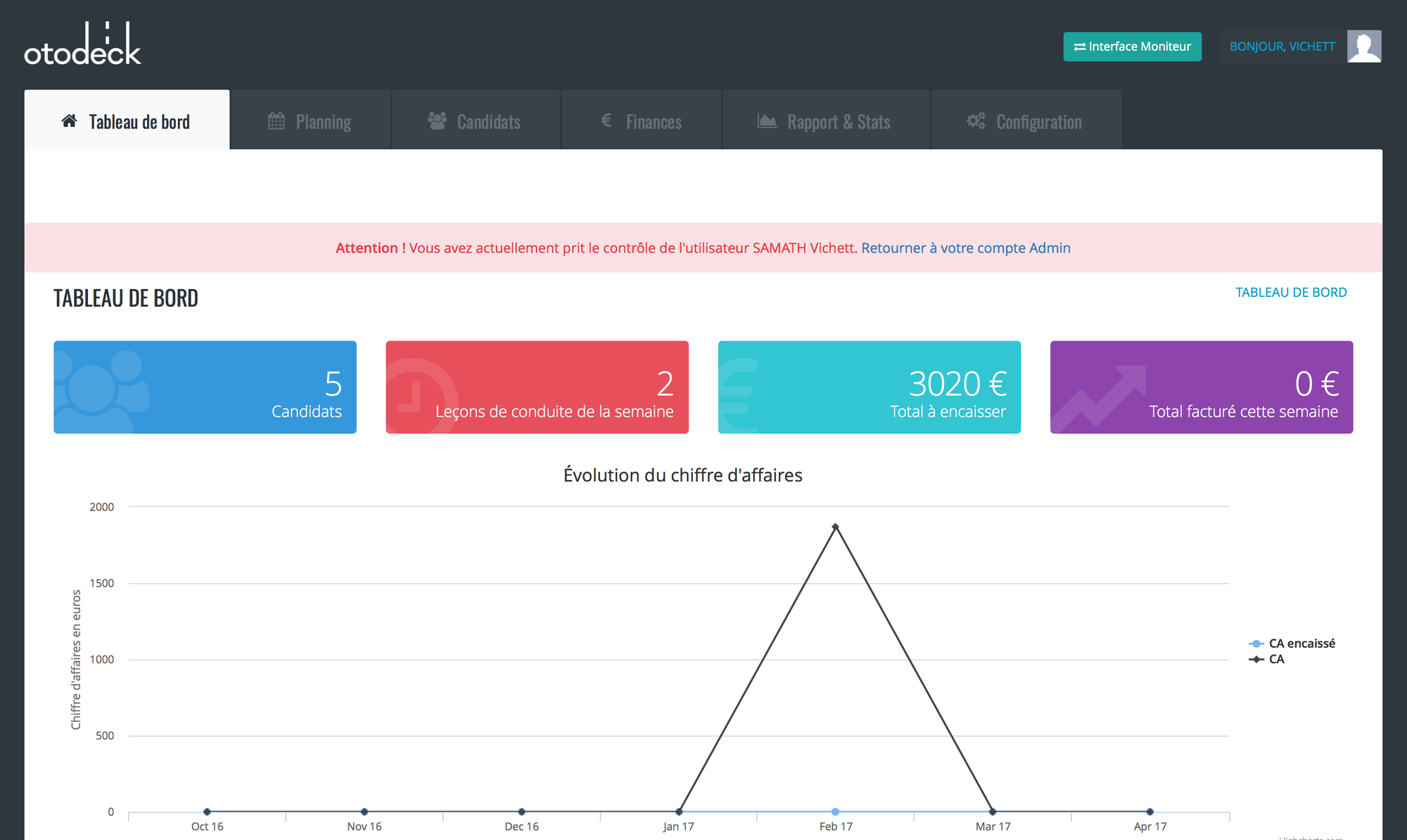
Owner interface: an analytics dashboard with real-time revenue and pass rates per instructor. Paperless administration, built-in invoicing, multi-branch management. No more evenings spent on the accounts: everything is automated.
Instructor interface: smart scheduling that optimises journeys between students. Digital teaching record sheets with real-time skills assessment. Built-in messaging that avoids personal text messages. Instructors save 1 hour a day on admin.
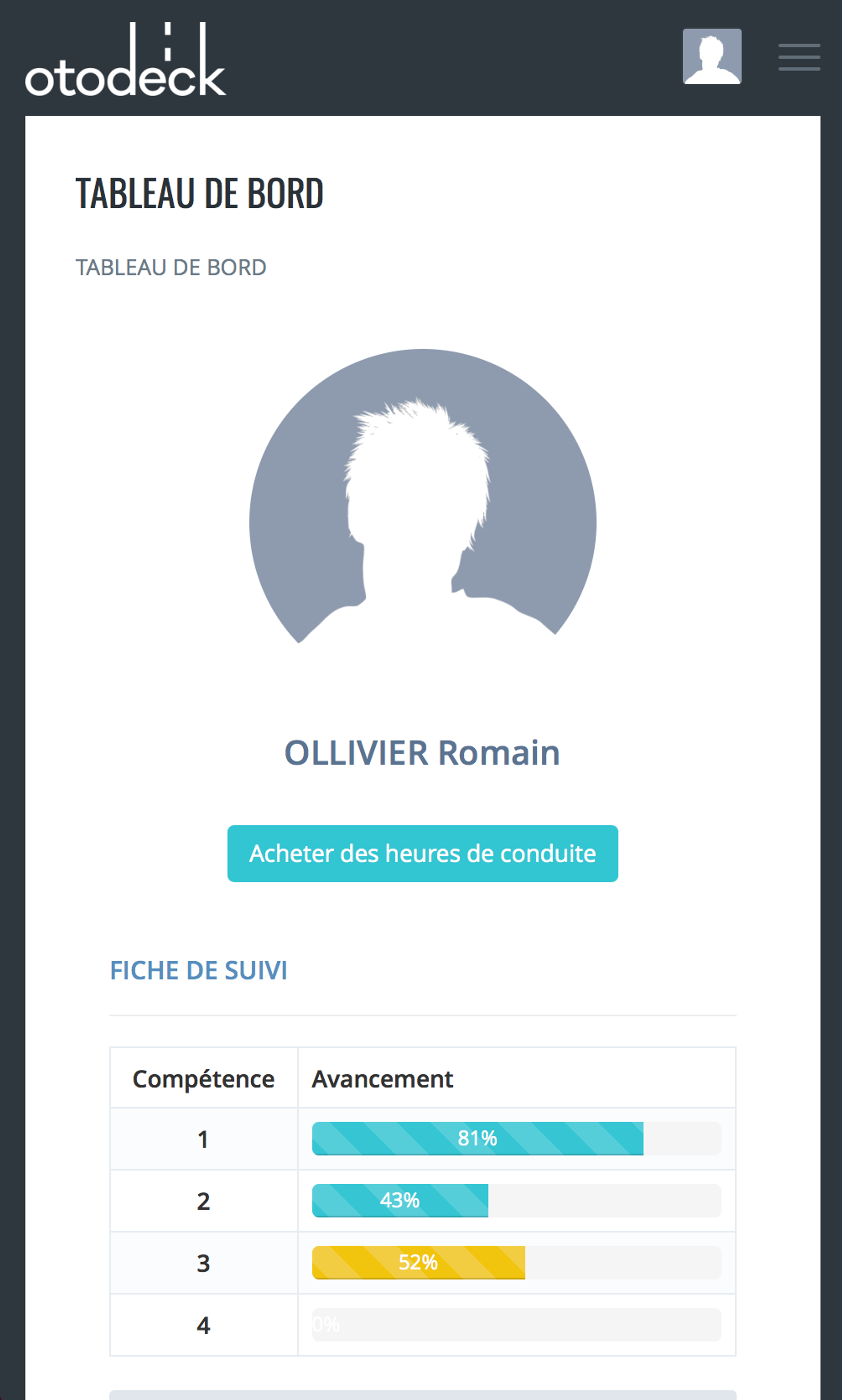
Student interface: 24/7 booking, just like Doctolib. Gamified progress tracking with badges and goals. Interactive learning content (videos, quizzes). Secure online payment. The experience digital natives expect.
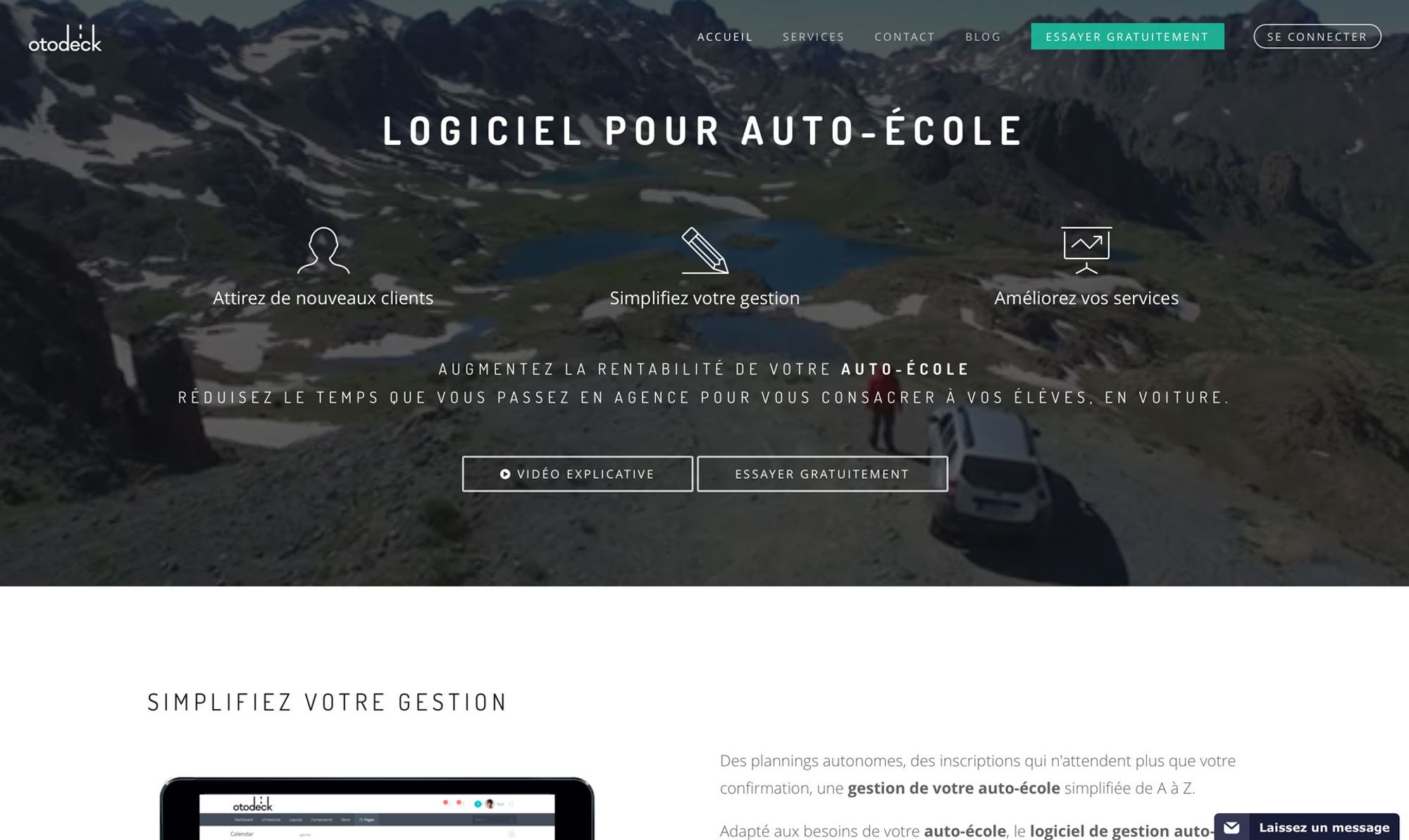
Marketing assets included: a 90-second motion design video to pitch the solution. Premium sales brochures. A conversion-optimised marketing website. A demo kit for field sales.
Stack: Symfony/MongoDB for scalability, Stripe Connect for payments.
Timeline: 10 months of platform development, 2 months creating marketing assets.
The results
Market validation
- 20+ driving schools expressing interest
- 10 pilot schools in the beta phase
- 20+ demos given in the first month
- Partnership discussions with a national network
Product excellence
- 40+ features developed and tested
- 3 fully synchronised applications
- 100% responsive on mobile/tablet/desktop
- UX score 4.7/5 from beta testers
Technical performance
- <2s average load time
- 99% uptime during the pilot phase
- Scalable multi-tenant architecture
- Comprehensive technical documentation
Key takeaways
- Complex multi-persona design: designing for 3 different users requires a well-thought-out architecture
- B2B marketing included: startups need sales assets as much as technology
- Quality > commercial success: clean code remains a valuable asset even if the startup pivots
A similar project?
Tell us what you need: a developer will reply within 24 working hours.
Let's talk04 82 53 52 58Technologies
Categories
Key metrics
Project gallery
A closer look at the visuals and the different stages of the project

Do you have an ambitious digitalisation project?
We turn your innovative ideas into robust technical solutions.
- 100+
- projects delivered
- 20 years
- of expertise
Similar case studies
Other projects that share the same ground or the same technologies.

Brandesk
Brandesk is a B2B SaaS platform that centralises companies' indirect communication: email signatures, digital business cards and NFC cards. Designed, developed and published by METEORA, it starts from the Google Workspace or Microsoft 365 directory: a change of role updates every touchpoint, and a departure deactivates them everywhere.


e-palett pro
An internal EPALIA solution in Go/GraphQL/React managing 366 employees across 40 sites, with real-time productivity entry, automatic bonus calculation, Nibelis integration for payroll and a QSE module, all with 100% test coverage.

e-palett
A complete rebuild, from scratch, of EPALIA's e-palett platform, moving from Joomla to a Symfony/JS architecture, handling 16M pallets a year with multi-customer ERP integrations.